Qualified net-new opportunities
Surface buying signals and save qualification answers to mapped Salesforce Lead fields. A rep validates and creates the opportunity.
Industries · Logistics & freight
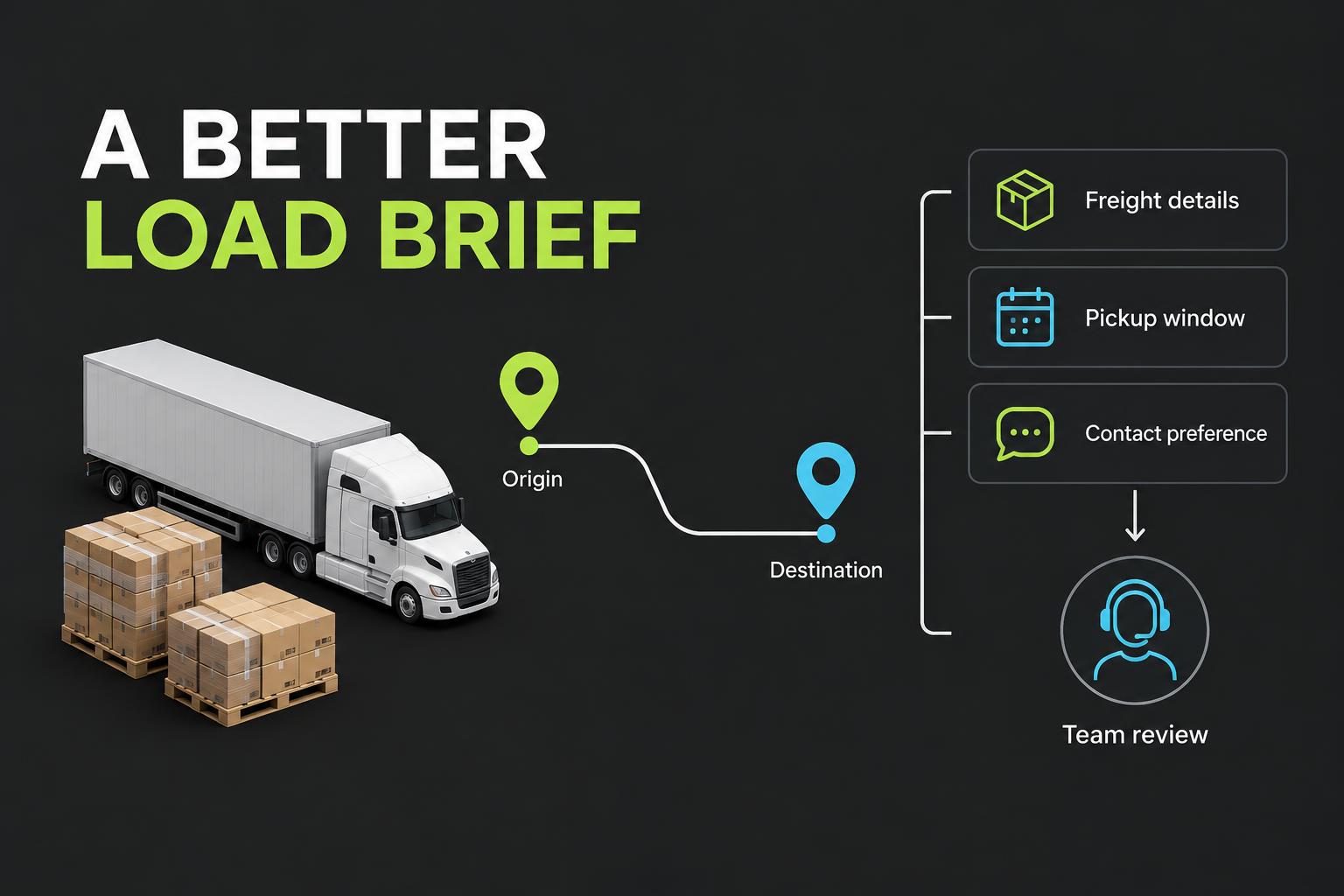
Capture lane needs, capacity questions and shipment check-in responses before a dispatcher or account rep steps in. Keep routine conversations from consuming the operations desk.
The pain
Carrier and shipper outreach is repetitive, but the details are operationally specific. A missing lane, pickup window or access constraint forces the next person to start the conversation over.
The calling workflow
01
Ask about origin, destination, equipment category and expected shipment timing. Capture the need for a human to validate and quote rather than claiming live capacity.
02
Use shipment context provided to the agent to ask about readiness, appointment preferences or an issue. Escalate exceptions to the configured operations number when a caller asks for a person.
03
Save collected answers and call activity to mapped Lead fields. The rep gets the operational facts rather than a disposition with no supporting context.
Lead outcomes
Outcome goals—not claimed customer results. The agent captures context; people confirm commitments and complete unsupported external actions.
Surface buying signals and save qualification answers to mapped Salesforce Lead fields. A rep validates and creates the opportunity.
Verify role, project and contact details in conversation, then write collected answers to configured Salesforce Lead fields.
Connect a caller to the agent's configured human destination when requested. A separate spoken briefing to the receiving rep is not automated.
Ask about readiness, appointment preferences, pickup needs or service feedback using the context provided to the agent.
Illustrative conversation
A shipper is planning a new lane and wants a rep to discuss options.
What are the origin and destination?
What equipment type do you expect to need?
When is the first shipment likely to move?
The rep receives lane, equipment and timing details; urgent callers can request a live transfer. No rate or capacity is confirmed.
Example scenario, not a customer transcript.
Capture & measure
Configure these on the agent and map supported fields to Salesforce Leads. They are suggestions, not preinstalled fields.
Use transcripts, extracted answers and existing campaign and agent insights. Custom business measures may require your team's review; no pilot figures are reported here.
Controls & boundaries
No TMS integration, load booking, live tracking, rate negotiation or autonomous AI-to-AI transactions. Shipment information must be supplied; dispatchers verify operational commitments.
Campaign calls use the eight-check eligibility gate and saved decisions. Genuine consent, current suppression records and legal review remain essential. Voicemail drop can leave a prepared message after the beep when enabled; it is a follow-up touch, not a completed conversation or permission to call.
Explore more
Design partners welcome